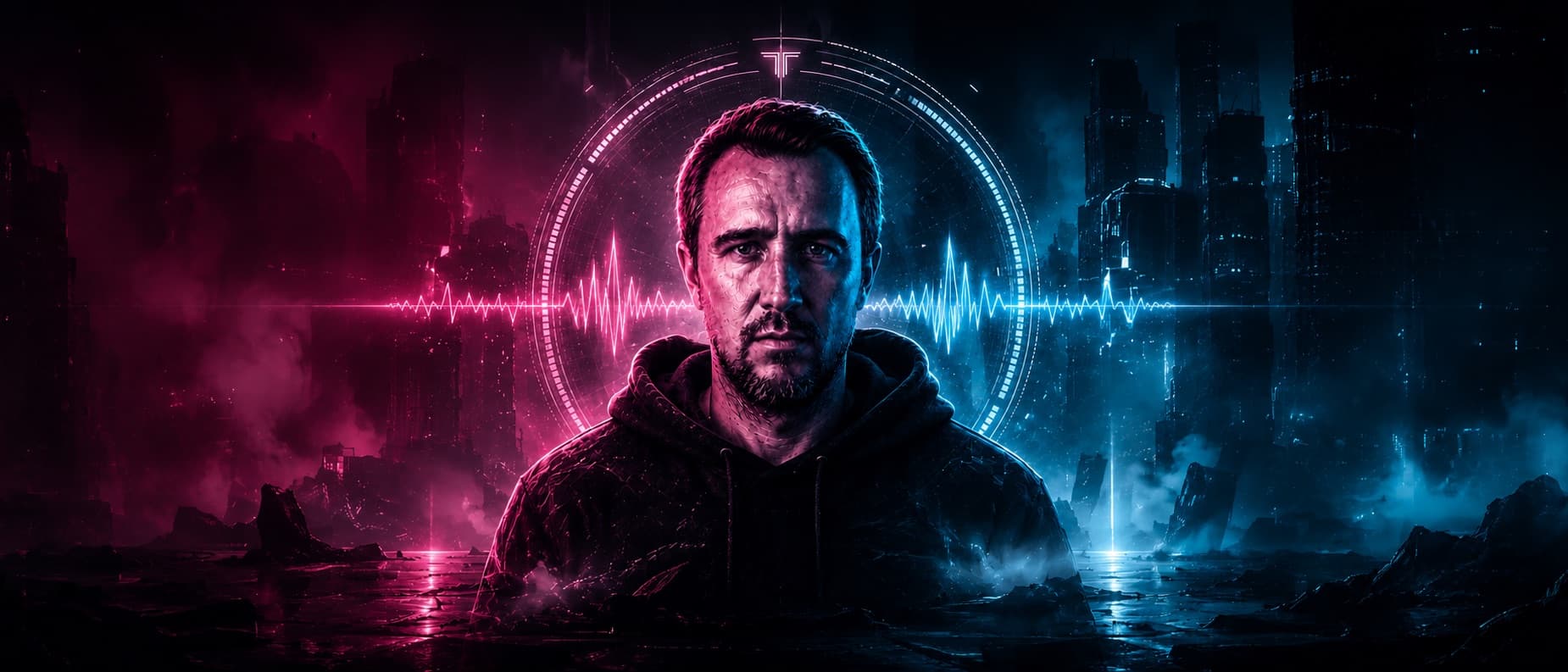
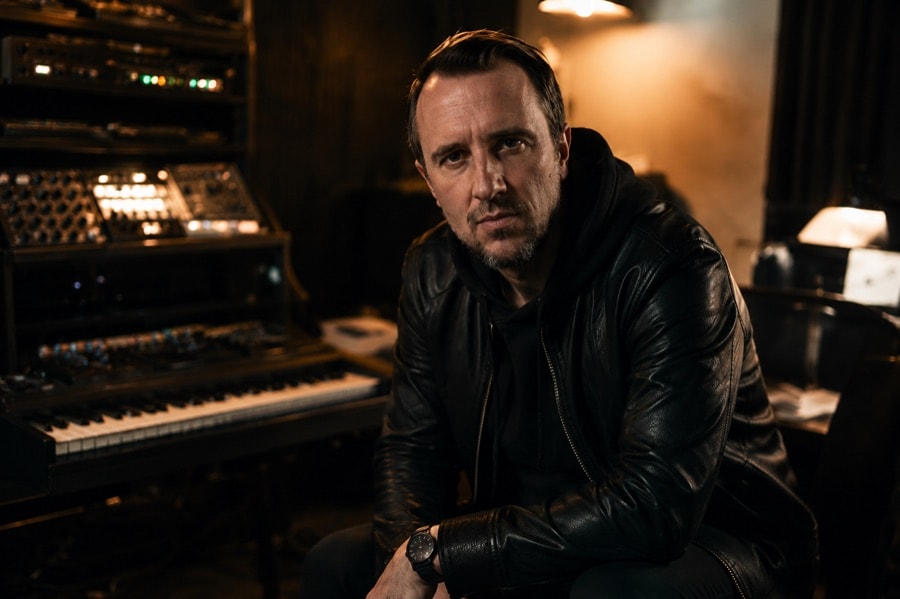

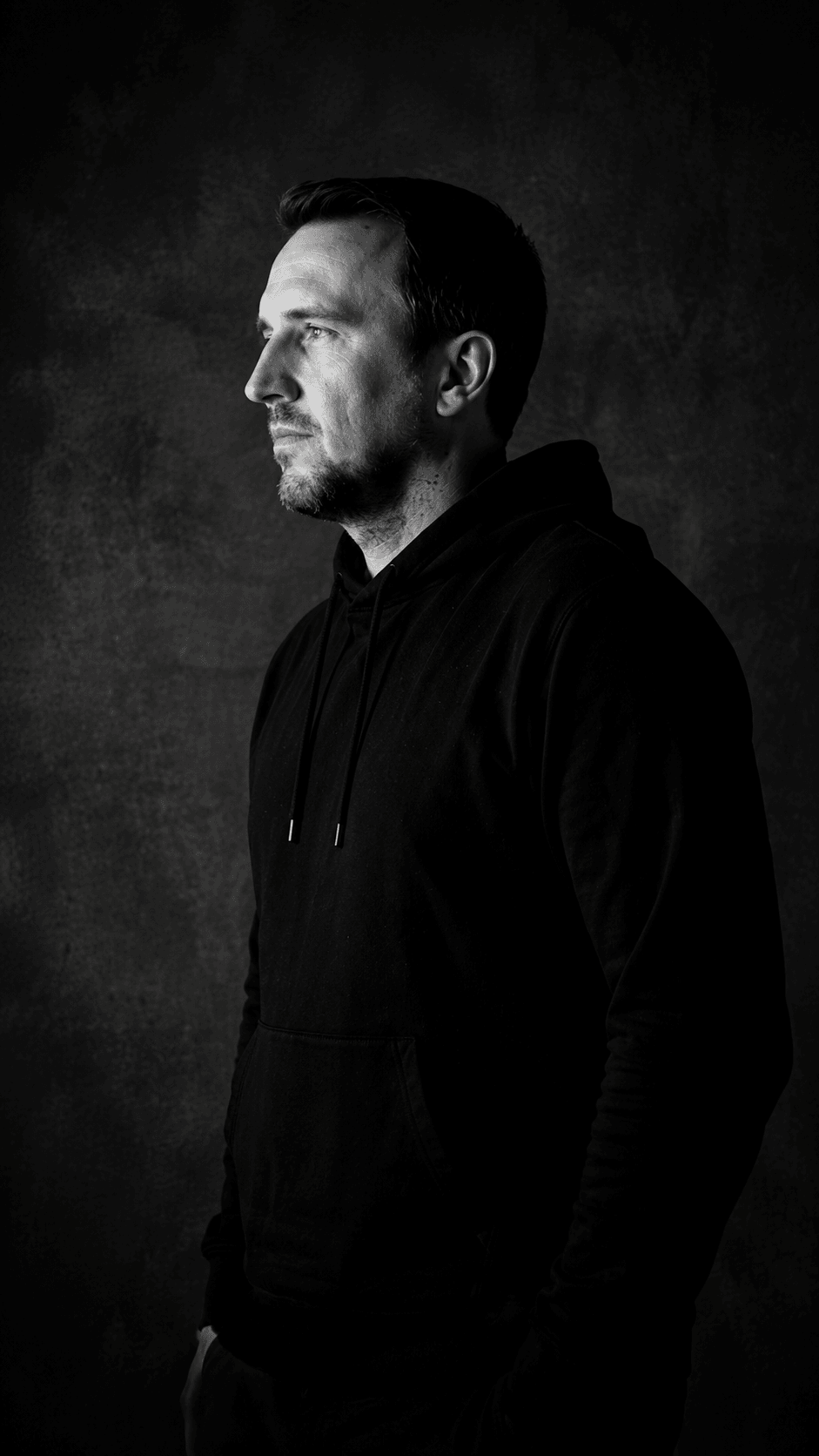
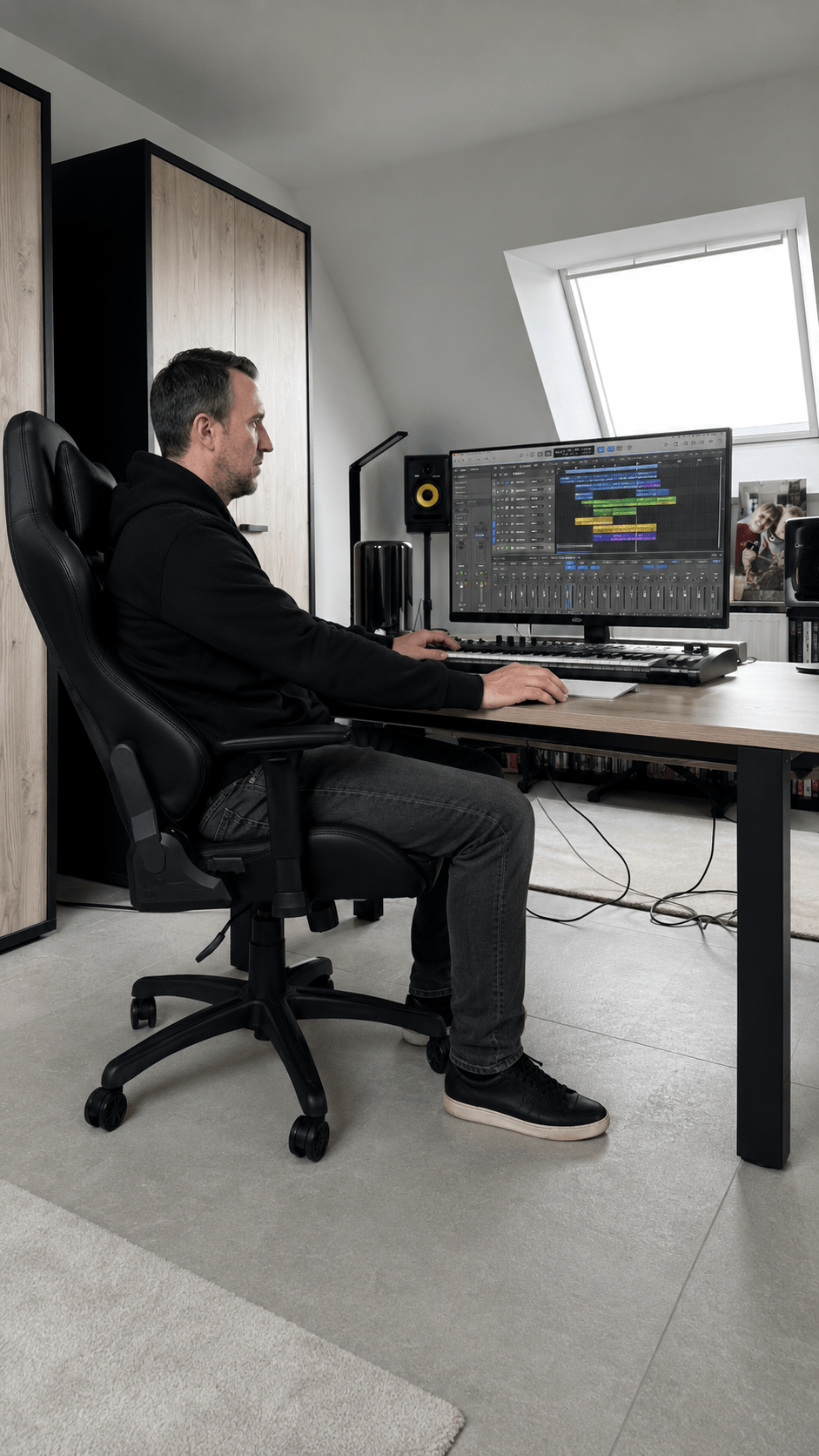
TMSTRY

Human // Signal // AI

Listen
Music

The Signal

TMSTRY

INDEPENDENT ARTIST

TMSTRY

Electronic · Cinematic · AI-Hybrid

Top Tracks

  • 1No Defeat
    10.5K
  • 2Bars to Bridges
    6.6K
  • 3System Shock
    8.1K
  • 4Strike Back
    6.0K
  • 5Hollow Shape
    Latest
Visuals

The Vision

TMSTRY TMSTRY TMSTRY TMSTRY TMSTRY 
The Origin

About TMSTRY

TMSTRY is not a genre. Not a sound. Not a brand.

It is thirty years of rhythm, melody, and restlessness, built by human hands and driven by something harder to name. From drumlines and vinyl to DAWs and cinematic soundscapes, every release is a transmission from somewhere between memory and machine.

No fixed identity. Just everything that ever refused to stay quiet.

"The machines don't dream. But they learned to wonder about the ones who do."
— TMSTRY

Chapters

Click a chapter to expand

TMSTRY
Press & Photos

The Frame

TMSTRY — Artistic

Editorial

TMSTRY — Studio
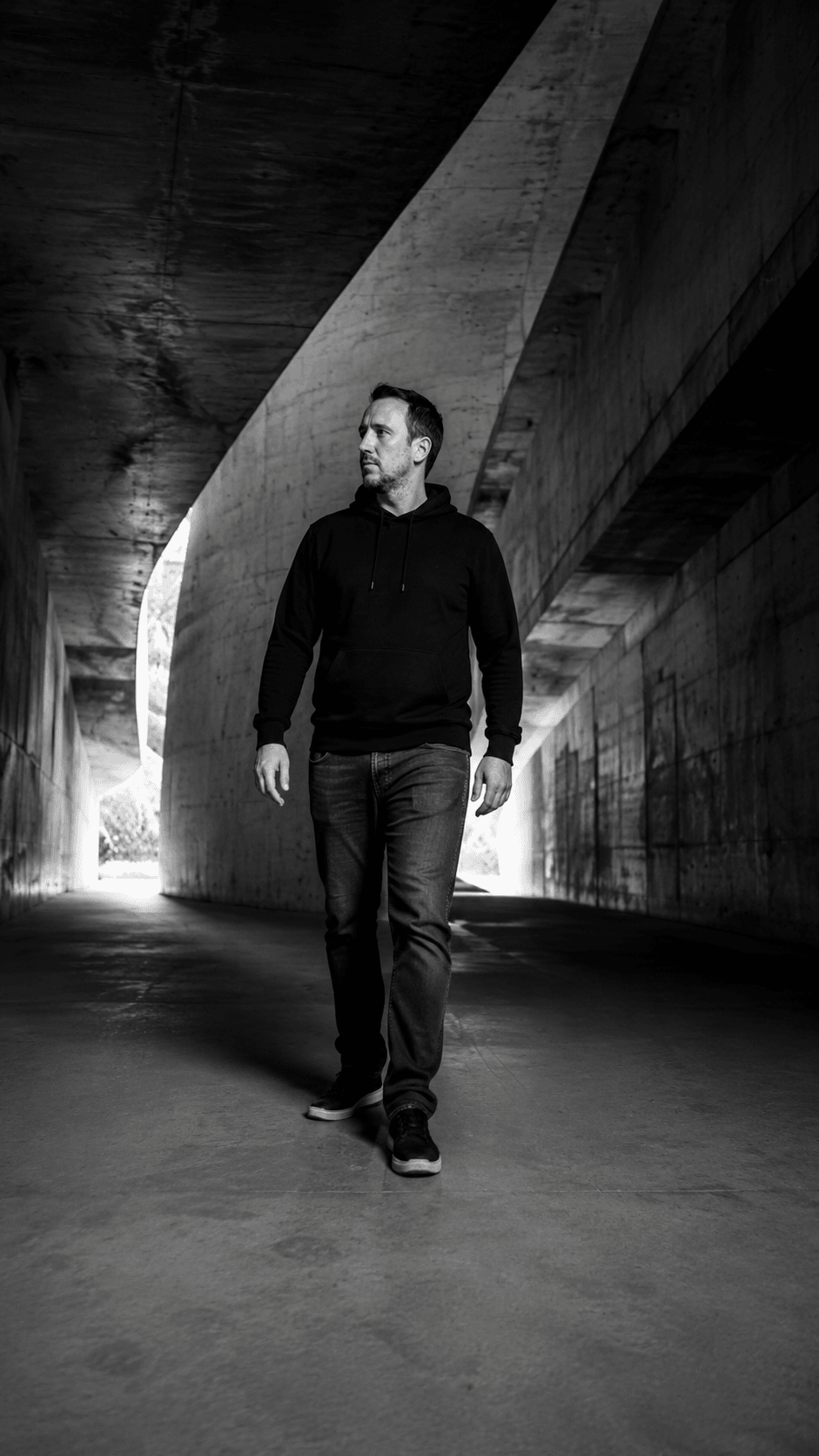
TMSTRY — Tunnel
1 / 5
News & Updates

Latest

NewsSeptember 2026

Three Minutes Slow, Three Minutes Brisk: The Method Behind QuietWalk

Three Minutes Slow, Three Minutes Brisk: The Method Behind QuietWalk Most of us walk the way we breathe. We just do it, at whatever pace the day hands us, and we assume the health benefit arrives automatically because we moved our legs for a while. It does, a little. But there is a version of walking that does considerably more, and it has been sitting in the scientific literature since 2007 while the rest of us chased a step count that was invented by a pedometer salesman. The 10,000 steps figure came out of a Japanese marketing campaign in the 1960s. It is not a finding. It is a slogan that got old enough to look like a fact. The method I want to tell you about is the opposite. It came out of a laboratory, it has been tested on more than ten thousand people, and it fits in half an hour. It is also the reason I built QuietWalk, but let me get to the science first, because the science is the interesting part. A failed experiment in the Japanese Alps In the early 2000s, two exercise physiologists at Shinshu University in Matsumoto, Hiroshi Nose and Shizue Masuki, were trying to solve a very practical problem. Japan's population was ageing quickly and they wanted an exercise programme that could improve cardiovascular and metabolic health in middle-aged and older adults without a gym, a trainer, or any equipment worth mentioning. Their first attempt was the obvious one. They asked people to walk continuously for thirty minutes or more a day. It failed, and it failed for the least scientific reason imaginable: people found it boring and quietly stopped doing it. So they borrowed something from competitive endurance athletes. Runners have used interval training for decades, alternating hard efforts with recovery. Nose and Masuki took that structure and put it inside a walk, which lowered the barrier enormously. You can hand interval walking to a 65 year old with sore knees and no athletic history. Try handing them running intervals and see how that conversation goes. Compliance more than doubled. Turns out people can do difficult things quite happily, as long as they can see where the difficult bit ends. The protocol, exactly Three minutes slow. Three minutes brisk. Repeat the pair five times. That is thirty minutes, done four or more days a week. The intensities have numbers attached. The brisk phase sits above roughly 70 percent of your own peak aerobic capacity, the slow phase around 40 percent. Notice the words "your own". The protocol never prescribes a speed. Two people of very different fitness can walk the identical session at completely different paces and both be doing it correctly, which is the quiet genius of the thing. If you want the version without a laboratory, use your voice. During the brisk minutes you should be able to speak in short phrases but not sing. During the slow minutes you should be able to hold a normal conversation. If you are still gasping when the slow phase ends, your fast phase was too fast. Adjust and carry on. What the research actually found The foundational 2007 trial in Mayo Clinic Proceedings put 246 people, average age 63, through five months of training. Interval walkers came out ahead of steady walkers on aerobic capacity, leg strength and blood pressure. Resting systolic pressure dropped by roughly 9 mmHg and thigh strength improved by up to 17 percent. The steady walkers, putting in comparable time, got far less for it. A much larger study in 2019 followed 679 middle-aged and older adults through the same five months. Estimated peak aerobic capacity rose by an average of 14 percent, and a composite score of lifestyle-related disease markers fell by 17 percent. That 2019 paper also produced the finding I find most useful. The benefits tracked the time spent at high intensity, rising up to about 50 minutes of brisk walking per week and then levelling off. Total walking time did not predict the gains. Neither did time spent strolling. Intensity did the work, not volume. Which means your step count is measuring the wrong thing, and has been all along. There is more. A Danish trial in people with type 2 diabetes compared interval walking against continuous walking matched for total energy burned. Blood sugar control improved in the interval group and not in the continuous one, despite identical effort spent. And a 2020 review drawing on over ten thousand participants linked five months of the method to better sleep, lower depression scores and improved cognitive function alongside the physical gains. Two honest caveats. Most of this work was done in middle-aged and older adults, so the numbers do not automatically transfer to a 25 year old athlete. And it is a training method, not a miracle. I am a rapper who works in a prison, not a doctor. If you have a heart condition, ask someone with a medical degree before you start pushing your pace. Why any of this needed an app Here is the practical problem with interval walking. The method only works if the intervals are real, and keeping real intervals means watching a clock. So you walk with your phone in your hand, checking a stopwatch every thirty seconds, doing mental arithmetic about whether that was round three or round four. You are technically doing the exercise. You are also completely in your head, which defeats a lot of the point of going outside. QuietWalk exists to take the clock off your hands. Your session runs as a journey around a red sun, with a small walking figure travelling the ring as the minutes pass. One full circle is one finished walk. But the screen is decoration, because the actual instruction arrives through your skin. Slow, rolling pulses tell you to ease off. Quick, firm ones tell you to pick it up. Phone in your pocket, eyes on the street, and the rhythm keeps itself. Five rounds, then the sun sets on your session. Exactly the protocol Nose and Masuki published, with none of the clock-watching. The music is mine. Original ambient pieces made under the TMSTRY name, built with Suno and then shaped and mastered by hand until they sounded like the thing I wanted: temple rain, bamboo echoes, lanterns on slow water. I am not going to pretend otherwise about the tools, because the tools are not the point. Music for walking has one job, which is to hold a mood for thirty minutes without ever asking for your attention. These do that. There is a second ritual in the app for the days when walking is not what you need. Guided breathing, with the same sun swelling as you inhale, resting while you hold, settling as you let go, and haptic pulses pacing every second so it works with your eyes closed. Four patterns, from a soft 4 and 6 exhale to box breathing to the 4-7-8 that people use to fall asleep. Every finished session settles into a journal with a streak of days behind it. No badges, no nagging, no leaderboards. Walks save to Apple Health as workouts and breathing as mindful minutes, and there is an Apple Watch companion that runs the walk as a real workout with live heart rate while the taps keep arriving on your wrist. Thirty minutes, four days a week That is the whole prescription. Not a new lifestyle, not a subscription to a philosophy, just half an hour where three of those minutes at a time are properly brisk. The research says it will do more for your heart, your legs and your blood pressure than twice as long spent ambling. My own experience says something smaller and harder to measure, which is that a walk with a shape to it ends differently than a walk without one. You come home having done a thing, instead of having been outside. QuietWalk is on the App Store, for iPhone and Apple Watch. Download QuietWalk

NewsSeptember 2026

Shotline: my friends built the music video studio the rest of us kept faking

Full disclosure before anything else: Aidan Yagu is a friend of mine. I am not a neutral party here. What I am is fairly hard to impress by tools, because most creative software that launches with a dark landing page and a lowercase manifesto turns out to be a thin coat of paint over a single API call. One more bit of honesty before the praise starts: I sweated. There is a learning curve here and I climbed every step of it the hard way. Three months ago I was downloading stock footage and dropping it into CapCut. I had never heard of Minimax or Wan 3, and if you had said the word node to me I would have assumed you meant something in a network cabinet. So when I tell you the first sessions were work, that is coming from a man who started at absolute zero. The curve is real. It is also a curve and not a wall, and somewhere in the first week the thing that looked like a cockpit starts to feel like a desk. Shotline is a different animal. It is the first tool out of Third AI Studios, the two-person outfit Aidan runs with SÆra Nova, and it exists for a very unglamorous reason: they were making music videos together across two screens and the workflow was held together with exports, file names and hope. If you have ever made an AI music video, you know the workflow I mean. A subscription for images. A different one for video. A third for upscaling. A folder called final_v3_REAL that contains four files, none of which are final. Somewhere in there you were also supposed to be creative. One board, four rooms Shotline puts the whole pipeline on one canvas and splits it into four spaces that hand work to each other. Nothing gets exported to move between them. The Director is where you decide what the video looks like before you generate a single frame. You pick a director's look, then a real camera rig underneath it: body, focal length, lens character, aperture, film stock. That optical language then rides along on every prompt, which is the whole point. It is the difference between forty shots that share a vision and forty shots that share a folder. Cast and sets are locked here too, so the same face stays the same face, and you can save your own looks and pull them into later projects. The Grid is a node canvas, and it is where the pipeline stops being invisible. You wire characters, styles, references and prompts into generators, chain an image into a video, branch off, compare two versions, keep the one that works. Every model is a node and outputs feed the next input, which means the thing you built at 2am is still readable at noon the next day. There are starter templates for the moves everyone makes anyway: coverage, restyle, upscale, atmosphere, zine. Build is the bench where you actually press the button. One prompt slab, a rail of models with their real capabilities listed, and here is the part I like most: the exact price of the run, before you commit, compared across every provider that carries that model. It also shows speed and reliability numbers learned from the whole fleet, so you know whether the cheap route is also the route that times out. Every run gets logged with its recipe, so you can rerun the exact thing three weeks later instead of trying to remember what you typed. Signal is the room that made me sit up. Your song is the timeline. You drop a track, the lyrics get aligned to the waveform for you, and every line takes a shot. The cut is built on parallel shotlines: one main lane that the player reads, side lanes holding your alternates, and you drag shots between them while the audio re-cuts itself underneath. Each shot quietly collects its frames, its audio and its takes into a brief a model can actually read. One button sends that brief to the Grid, and the finished take comes back to the timeline on its own. That loop, timeline to generator and back again without you playing courier, is the bit no other tool in this space has bothered to build. Behind all four there is the Library, where every generation, upload and reference files itself automatically. Browse it, bulk select it, send it somewhere, run it again. The multiplayer part Shotline was built by two people directing one video on two screens, so collaboration is not something bolted on for the enterprise pricing page. It is the foundation. Live cursors, real co-editing, nodes changing under your eyes as your co-director changes them, and nothing to merge afterwards. You invite people by handle or link as editor or viewer. Every board carries its own chat thread with presence and unread state, so the conversation happens where the work is instead of in a Discord DM you will never find again. Billing stays with whoever pressed generate, which sounds like a small detail until you have co-directed something with a friend and had to work out who owes who. There is also a preset system where looks, styles and atmospheres become codes anyone can import in one click. Expect that to turn into a small economy of shared house styles, which is exactly what should happen. Thirty-nine models, none of them resold Here is the commercial angle, and it is refreshingly blunt. Shotline does not sell you generations. You bring your own provider keys and every run is billed by the provider at their own listed rate. No markup, no plan floor, no credit bucket that expires while you are busy at your day job. The catalog currently runs to thirty-nine models across four providers: twenty for video (Seedance, Kling, Hailuo, Wan, LTX, Grok Imagine and friends), eight for image, six for audio including stem separation and ElevenLabs, and five finishing tools for sound design, matting, depth and reframing. The compare card prices your shot on every carrier before you commit and routes to the cheapest automatically. The site even says that on the rare month where somebody else's bundle would beat this setup, the card will tell you so. That kind of line is easy to write and awkward to live with, and they wrote it anyway. Your keys also stay yours, which means the credits on them still work on everything else you build. You are not renting a walled garden. The GPU lane, and the nicest idea in the whole thing Studio Plus adds a second route: rent a graphics card on your own account and Shotline queues your shots onto it. A card charges by the hour instead of by the clip, and that quietly changes how you work. Once the card is warm, take twenty costs almost nothing on top of take one, so iteration stops being a financial decision every single time. It also unlocks inputs the hosted endpoints simply do not sell, like following a reference clip frame for frame, or building a shot against a sheet of your own cast. Restyle, inpaint, outpaint, clean plate, relight and upscale all run there too, against footage you already have. And then there is the gift line. A warm card is a card you can lend. Open your line and a friend can move a queued shot onto it: their job, your GPU, the result goes back to them, and your key never leaves your account. No money changes hands. There is a leaderboard ranking hosts by how much they have actually rendered for other people, so the ones keeping the lights on sit at the top. In a scene that mostly optimises for follower counts, ranking people by generosity is a genuinely good idea. What you get, and what Plus adds Both tiers include the four rooms, the shared canvas, cast and sets, the live cost compare, the free in-browser tools, song mastering in the browser, ViZ for music-reactive visuals, and an MCP connection so you can drive the studio from your own AI assistant. Studio Plus is for when the work becomes properly yours: authoring your own styles, director looks, atmospheres and camera presets, your own prompt bible steering the enhancer, a wardrobe system for many outfits on one consistent face, the ViZ+ composer with 31 effects, plus the GPU lane and the gift line. Early access is open, and it has conditions They are picking a handful of artists to finish V1 with them. Not a waitlist, a crew. Two conditions, and they mean both: anything you publish from early access carries the short Made in Shotline clip they provide, and you actually report the bugs you hit using the built-in reporter. As they put it, ten artists who ship beat a thousand who lurk. Your work stays yours. The badge just says where it was forged. If you make music videos with AI and you are currently paying four subscriptions to do badly what this does in one place, go apply. And if you get in, report your bugs properly. I have to see this man at some point. Apply for early access

ReleaseSeptember 2026

Excavara

There is no play button on EXCAVARA. There is a shaft, a track buried at the bottom of it, and a few minutes of rock between you and the first note of the chorus. Dig now at excavara.com, or read on to find out what you are walking into. The one idea everything else hangs on A finished song is not one thing. It is a stack of separate recordings played at the same time: the drums on their own track, the bass on its own, the keys, the guitars, the vocal. Producers call them stems. You have never heard them apart, because the moment a song is released they are welded together forever into one file. EXCAVARA takes them apart again and buries them at different depths. At the surface you hear almost nothing, just a muffled signal under your boots, the way music sounds through a wall. In the founding shaft, fifty meters down, the drums arrive. At a hundred and forty, the bass. Keys at two hundred and fifty. Guitars at three hundred and sixty. The vocal is the last thing in the ground, and past six hundred meters the song is finally whole and playing all around you. Every drop cuts its own depths, four to six stems, buried where that track wants them. So the descent is not a loading bar in front of the music. The descent is the music. You are not waiting for the song. You are assembling it, and the deeper you get the more of it exists. There is no skip button, and no clean preview. The surface only carries that muffled twenty-second signal. The full mix exists because you dug to it. What it costs Nothing. There is no install, no launcher, no store page. It runs in the browser you already have open, and it works on a phone. You can start digging without giving anything at all. An email address only matters when you want your name on a register or a claim on what you find, and an email address is the entire sign-up. No wallet, no password ceremony. Dig first, decide later. The descent, floor by floor Every drop is its own world with its own strata and its own stem depths. What follows is the founding shaft; the others do it their own way. 0M: THE SURFACE. Grab the pickaxe. Dirt breaks in one hit. Nothing is trying to stop you yet, though the first granite formations are never far below, and granite takes roughly ten times as long as dirt. Routing around is usually the smarter dig. 50M: LOST BROADCASTS. The drums fade in. Relics sit buried in the dark around you, and somewhere down here a SIGNAL SCANNER is buried too. Dig it up, and from then on the artefacts ping through the stone. 150M: THE MIX. Bass, then keys. Crystal veins glow in the walls at every depth, and they pay out shards when you break them. Down here you start actually hunting them. 300M: THE VAULT. Guitars. Denser rock, radioactive masters that poison the mix if you break them carelessly. This is the floor where the pickaxe starts feeling slow and dynamite starts making sense. 500M: THE LAST STRETCH. The vocal has been sliding into the mix behind you, and by six hundred and forty meters the track is whole, playing all around you as you cut the last stretch. ~656M: THE VAULT ROOM. You break the ceiling and fall into the chamber where the record actually lives: the artwork, the register where the first excavators put their names, the claim. BELOW THAT: THE DEEP. Break the vault floor and the world stops having a bottom. Your deepest point in every shaft is marked with a record line, waiting for you to beat it. Five strata, four to six stems, one track all the way down, dug under dust storms and tremors, past the marks other diggers left glowing in the rock. The track is not the only thing buried A core is the end of a descent, not a download. What is waiting there depends on which shaft you chose. A film in the vault wall. Three drops, BLOCKVERSE (REMIX), SASSY BITCH and SATURN RINGS, hide an exclusive video at the bottom, playing for whoever reaches it. In SATURN RINGS you have to find the switch first. None of them are on any streaming service, and they are not going to be. A room halfway down. In some shafts you break one more block and the floor gives out into a lit chamber nobody warned you about. Look around. Then dig on through its floor. Artefacts and one-of-ones. Tapes, documents, polaroids and studio stills sitting in the dirt, plus special relics with a single copy buried in every shaft. Surface them and they stay in your collection, permanently. A shelf that fills up. Every record you core stands upright in your own cabinet, sleeve out. Pull one off the shelf, flip it over to read how it came out of the ground, and put it on: the clean full mix, from the top, whenever you want. Records you have not dug yet stand there as dust outlines, waiting. A free first edition. The first excavators to reach a core can claim the track as a limited digital pressing. Free, gas covered. After the last spot goes, the edition is closed for good. Shards, lamps and dynamite Those crystal veins are not decoration. They pay out shards, and shards are the only currency down there. Spend them in the field on dynamite. One charge blasts a pocket straight down through rock that would have cost you a minute of swinging, and past three hundred meters that arithmetic is often the difference between arriving and giving up. Or bring your shards back up to the Outfitter. Lamps come in six colors: signal blue, mix magenta, isotope green, core white and deeper cuts, alongside trails, gear and field perks. Your headlamp always works. The color of your light is who you are down there, and the regulars recognise each other by it. Rank is not a number you can buy Every block, every meter, every relic feeds your standing in the archive. There are twenty-two titles, from SURVEYOR at the top of the shaft to ARCHIVE ETERNAL at the far end of everything. There is no purchase that moves you up the list. The only way to become a CORE WALKER is to walk to cores. You are not digging alone The archive is live. Other people are underground right now. You can see who is in the shaft with you in real time, per drop. There is a dig chat that keeps nothing. Words fade like echoes, which is the only honest way to run a chat inside a place like this. And three fresh challenges land every week, paid out in shards. The "first claims", in plain language Here is the part that usually needs translating, so let me do it without the jargon. The first ten to twenty-five people to reach a drop's core get their name in that drop's register, and can claim the track as a limited digital pressing that genuinely belongs to them. It is free. There is no cost, no gas fee, no wallet to set up, no seed phrase to write down. An email address is enough. If you never want to think about the technology holding it, you never have to. The point is not speculation. The point is that a fixed, small number of people dug something out of the ground before anyone else, and there is a permanent record saying so. When the last spot is taken, that edition closes forever. Everyone after that can still dig the shaft, still hear the full track, still put the record on their shelf. They just cannot be first, because someone already was. What is in the ground right now Twenty-one tracks. More than five hundred descents started. Eighty-five cores reached so far. That last number is the interesting one. Roughly one descent in six goes all the way to the bottom, which by the standards of anything you can close with one tap is a lot of people choosing to finish. Every drop is a separate world with its own track, its own strata and its own limited first edition. Some are TMSTRY. Some are other artists. The full archive is open to browse. Artists: your track can be down there too If you make music, you can bury it here. You send a track and it gets a world built around it: strata, stem depths, relics in the dirt, a limited first edition with your name on it. Your listeners do not scroll past it. They dig it out of the earth, one stem at a time. Everyone who reaches the bottom keeps your record on their shelf and can play it front to back forever, and the first ten to twenty-five own the pressing. That is a fundamentally different relationship with a song than a thumbnail in a feed. How to start Pick a shaft from the active sites. Pick your loadout at the Outfitter. You start with a pickaxe and that is genuinely enough. Then go down and do not stop at fifty meters just because the drums showed up. The bassline has been playing down there the whole time. It is not going anywhere. But those first-edition spots are. → ENTER THE ARCHIVE The archive remembers what the world forgot.

InterviewJune 2026

TMSTRY SITS DOWN WITH DICK BUTTONS

A conversation about AI music, Open Art, and the state of the scene I recently had a long conversation with Dick Buttons, one of the more outspoken voices in the AI music community, known for his sharp takes and his willingness to say things others won't. If you've been around the AI music space for any amount of time, you've probably come across his name. The interview is live on YouTube. Go watch it. But before you do, I want to set the record straight on a couple of things. On calling Open Art a scam I used the word "scam" during the conversation. That was too blunt, and I want to be clear about what I actually meant. My concern was, and still is, around transparency: how platforms in this space communicate their value to artists, what creators are actually getting in return, and whether expectations are being managed honestly. Those are legitimate questions worth asking. "Scam" was a strong word for what was really a skepticism about the model. I stand by the skepticism. I don't stand by the label. On the Fresh Friday Festival drama The conversation also touched on some ongoing tension around a rejected video at Fresh Friday Festival. There are two sides to this, and both have a point of view I understand. Curation is a real thing. So is the frustration that comes with rejection when you've put real work into something. I'm not going to pick a side here, and that's not me being diplomatic for the sake of it. I genuinely see where both camps are coming from. What I will say is this: framing it as censorship is a stretch. Curators make calls. That's not censorship. That's a festival doing what festivals do. I'm against censorship in a real sense, but this isn't that conversation. What the interview actually was Look, parts of it were uncomfortable. Some of that awkwardness was on me. It was a real conversation, not a polished PR moment, and I think that's actually what makes it worth watching. The AI music space is still finding its shape, and honest conversations, even messy ones, are part of that process. Watch the full interview below and make up your own mind. #TMSTRY #AIMusic #OpenArt #FreshFridayFestival #DickButtons #Interview #AIArtists

4
NewsJune 2026

Ash Johansen Delivers a Powerful Message with New Video "RDY2DIE"

Some music videos entertain. Others leave a lasting impression. Ash Johansen's latest release, RDY2DIE, belongs firmly in the second category. Combining a powerful song with striking visuals, the video tackles themes that many people struggle with but few openly discuss. It explores emotional hardship, despair, and the difficult thoughts that can accompany life's darkest moments. What makes the video particularly impactful is that it never loses sight of hope. While it confronts difficult realities head-on, the story ultimately arrives at a place of resilience and possibility. Rather than leaving the viewer in darkness, it offers a reminder that there is always another path forward. Personally, this is one of those tracks I have found myself returning to again and again. The song has been on repeat since its release, and each viewing reveals something new in both the music and the visuals. The production quality is excellent, the storytelling is thoughtful, and the message is one that deserves to be heard. In a time when so much content is designed to be consumed and forgotten, RDY2DIE stands out as a piece of work that stays with you long after the final frame. Watch the video and judge for yourself.

4
VideoMay 2026

TMSTRY enters the world of Minecraft

Blocks, beats, and a whole new dimension. A new chapter, a new world. TMSTRY steps into Minecraft and makes it his own. What started as an unexpected creative detour turned into something genuinely fun to watch, a full dive into one of the most iconic game universes ever built, pixel by pixel. This one sits a little outside the usual lane, and that's exactly the point. Good music and good content have always been about following the energy wherever it leads. This time, it led straight into a blocky, infinite world where anything is possible. Watch the full video above and see what happens when TMSTRY picks up a pickaxe. #tmstry #minecraft #newvideo

1
Connect

Find the Signal

Transmitting across platforms. Follow for new releases, visual content, and fragments of the process.

Got something on your plate? Work for hire?

Or just here to hate? The inbox has thick skin.

contact@tmstry.com